
3D Mammography Available: Contact Us to Schedule Your Mammo
Our Focus is on You
In the Wilson Medical Center Department of Radiology, our focus is on you and your health. You will benefit from the newest technology and receive outstanding healthcare. Our medical imaging team works closely with physicians to accurately interpret results to ensure that you benefit from the best possible care detection, examination, and diagnosis of various illnesses and abnormalities.
WMC offers an extensive range of diagnostic imaging, using state-of-the-art imaging equipment. Over the years, the radiology department has grown steadily, and we are committed to keeping pace with technological advances and our community’s needs. The Radiology department at WMC provides routine diagnostic x-ray examinations Monday through Friday from 7:00 a.m. - 7:00 p.m.
NEW! Bone Density Scan (DEXA SCAN) at Wilson Medical Center
Our Radiology Department will call you to schedule your appointment.
A DEXA scan is a test to determine the early stages of bone loss associated with osteoporosis, a disease in which bone density decreases, making bones brittle and prone to fracture.
No preparation is necessary. Ask your provider today about the DEXA exam and how to manage your risk.
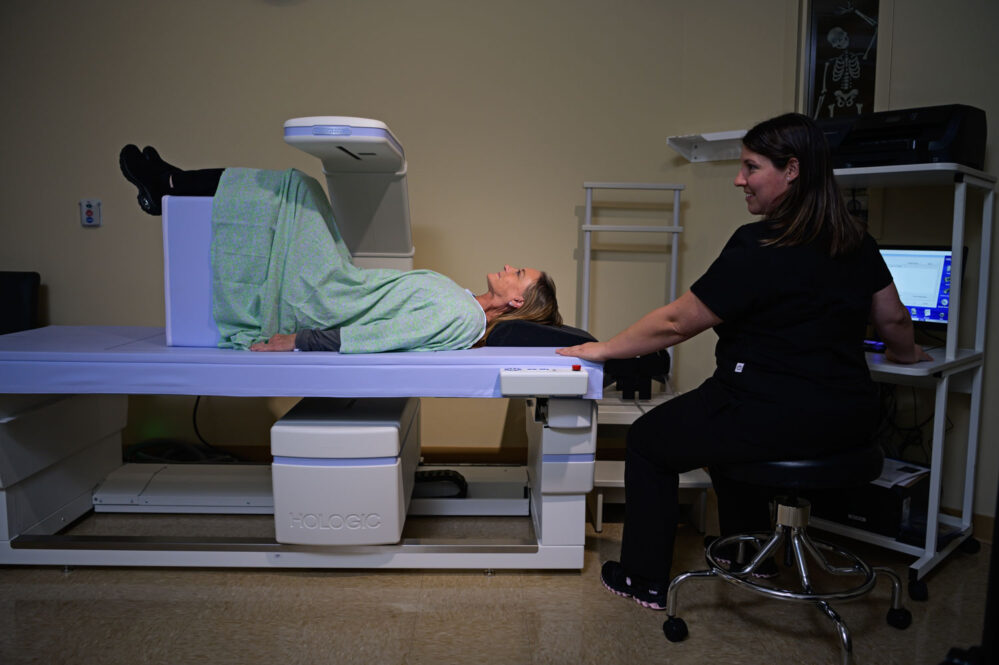
A bone density test uses X-rays to measure calcium and other bone minerals that are packed into a segment of bone. The bones that are most commonly tested are in the spine, hip and sometimes the forearm.
With bone loss, the outer shell of a bone becomes thinner and the interior becomes more porous. Normal bone is strong and flexible. Osteoporotic bone is weaker and subject to fracture.
Simply put, it can tell your doctor how strong your bones are. It helps him to identify if you are at risk for bone fractures. It can also help him to identify if you have osteoporosis -a disease that occurs when your body loses bone density.
Although osteoporosis is more common in older women, men also can develop the condition. Regardless of your sex or age, your doctor may recommend a bone density test if you’ve:
- Lost height
- Fractured a bone.
- Taken certain drugs
- Received a transplant
- Had a drop in hormone levels
Computed Tomography (CT)
Our Radiology Department will contact you to schedule your appointment.
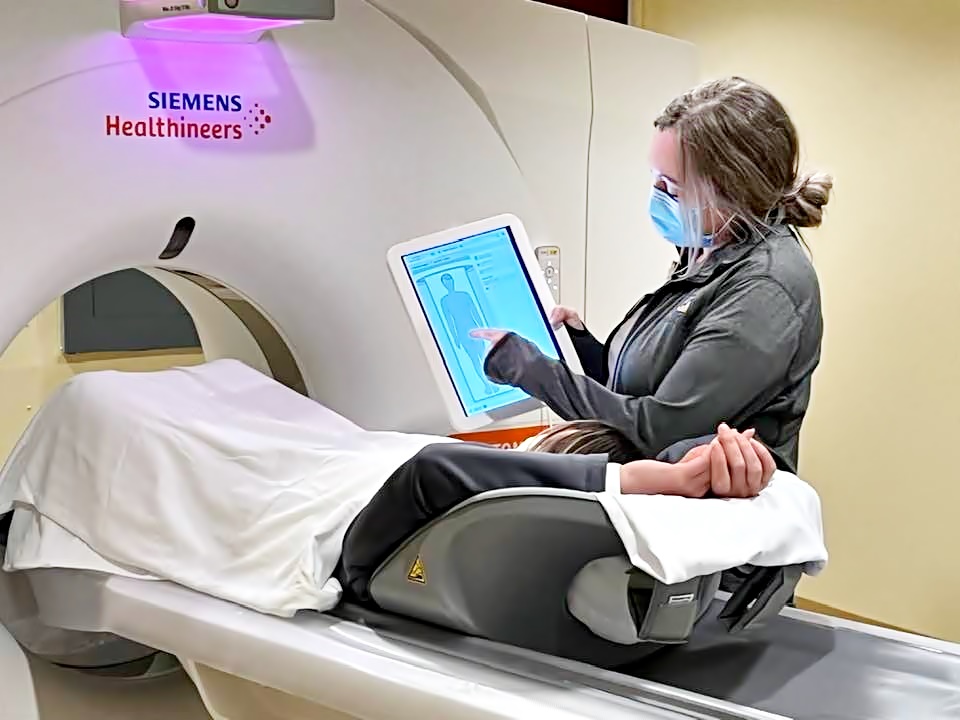
A computerized tomography (CT) scan combines a series of x-ray images taken from different angles and uses computer processing to create cross-sectional images, or slices, of the bones, blood vessels and soft tissues inside your body. CT scan images provide more detailed information than plain x-rays do.
CT Scans with contrast: If you are 60 years or older, you must have renal function blood work done within 30 days prior to the appointment. If you have had labs at another facility, please have them fax the results to 620-325-8457.
CT ABDOMEN
Nothing to eat or drink after midnight the night before exam. If test requires barium, you will need to arrive 1 hour prior to exam.
An IV may be started so that an Iodine based contrast can be injected. This is used to better visualize the organs.
CT ABDOMEN & PELVIS
Nothing to eat or drink after midnight the night before exam. If test requires barium, you will need to arrive 2 hours prior to exam. An IV may be started so that an Iodine based contrast can be injected. This is used to better visualize the organs.
CT CHEST
Nothing to eat or drink after midnight the night before exam. An IV may be started so that an Iodine based contrast can be injected. This is used to better visualize anatomy in the chest cavity.
CT FACIAL
No preparation needed.
CT HEAD
If ordered with contrast nothing to eat or drink after midnight the night before exam. An IV may be started so that an Iodine based contrast can be injected. This is for better visualization of the blood vessels in the head.
CT LUMBAR, THORACIC, or CERVICAL SPINE
No preparation needed.
CT NECK/SOFT TISSUE
Nothing to eat or drink after midnight prior to exam. An IV may be started so that an Iodine based contrast can be injected. This is for better visualization of lymph nodes and blood vessels in the neck.
CT PELVIS
Nothing to eat or drink after midnight prior to exam. If test requires barium, you will need to arrive 2 hours prior to exam. An IV may be started so that an Iodine based contrast can be injected. This is for better visualization of the ureters, pelvic lymph nodes, and the bladder.
CT SINUSES
No preparation needed.
A CT scan is a painless, non-surgical way for your doctor to see what is going on with your body. It can decrease the need for surgery, can help your doctor to diagnose disease earlier which often results in a better outcome, and can be used to better map the course if surgery is deemed necessary.
Nuclear Medicine Prep Instructions
Our Radiology Department will contact you to schedule your appointment.
Nuclear Medicine is a branch of radiology that uses radioactive materials to determine if certain organs such as the heart, kidneys, liver, thyroid, brain and lungs are working properly. It is also used to examine the bones for cancer, infection or trauma.
A nuclear stress test is a two-part study to evaluate the heart's coronary arteries at rest and during stress. The stress part is either drug-induced or exercise-induced. This test uses a small amount of radioactive material, called a tracer or radiotracer. The substance is given by IV. An imaging machine takes pictures of how the tracer moves through the coronary arteries for both parts of the study. This study takes 2–3 hours.
Basic prep: caffeine, smoking, and some medications will need to be held for 24 hours before the test. Do not eat or drink for 6 hours before the test. The medications will be discussed with the patient before the exam.
No preparation is necessary. You may eat, and are encouraged to drink extra fluids.
First appointment in the morning for injection: 20-30 minutes. Patient will return within 3 - 4 hours.
Limited Bone Scan - Limited to one area of the body. Scan will take approximately 30 minutes.
Limited Multi Bone Scan - Spine or more than one area. Scan will take approximately 45 minutes.
Whole Body Bone Scan - Whole body. Scan will take approximately 1 - 1.5 hours.
Three Phase Bone Scan - This scan is done for osteomyelitis, loosing prosthesis or infection. The first appointment in the morning is an injection with an immediate scan that lasts between 30 to 40 minutes. Patient will return within 3 to 4 hours. The scan will take approximately 45 minutes.
Nothing to eat or drink, including water 6 hours prior to exam. No opiate pain medication 6 hours prior to scan. Scan will take 2.5 -4 hours.
No patient prep is necessary. Scan will take approximately 1 - 2 hours. The patient must have a chest x-ray within 24 hours prior to the scan.
Patient must be off thyroid medication for 6 weeks and questionnaire must be completed prior to scan. Must be scheduled prior to other exams using iodine contrast or must wait 6 weeks after any exams that iodine contrasts are given. The patient will be asked to swallow a radioactive capsule. Nothing to eat or drink 4 hours before taking the capsule and 1 hour after the radioactive capsule. Patient will return 6 hours after swallowing the capsule for an uptake that will take approximately 15 minutes. Patient will return 24 hours after swallowing the capsule for an uptake and scan that will take approximately 1 hour.
Nothing to eat or drink, including water (NPO), 8 hours prior to the scan. The patient will eat a small amount of radioactive scrambled eggs or oatmeal and have an immediate scan that will be approximately 1 min. The patient will then have a 1 min scan each hour for the next 4 hours. (5 images total)
The patient needs to be off thyroid medication for 5 days prior to scan. The patient will receive an injection and 5 immediate scans. First scans will take approximately 45 min. 2 hours after the injection the patient will receive 5 more scans taking approximately 45 min.
Other instructions for patients undergoing a Nuclear Medicine scan:
If you have any questions regarding your scan, contact the Radiology Department at (620) 325-8364.
General X-Ray
General X-Ray is a walk-in exam. No appointment is needed.
An x-ray (radiograph) is a painless medical test that helps physicians diagnose and treat medical conditions. Radiography involves exposing a part of the body to a small dose of ionizing radiation to produce pictures of the inside of the body. X-rays are the oldest and most frequently used form of medical imaging.
3D Mammography (Breast Imaging)
Our Radiology Department will contact you to schedule your appointment.
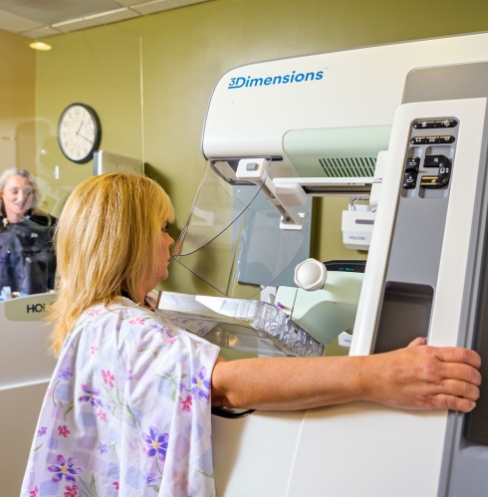
A mammogram is an x-ray of the breast using low-dose radiation. The key role of mammography is identifying breast cancer early in its development when it is very small. We provide every patient with a soft, foam pad that creates a cushion between you and the mammography machine, creating a warm and comfortable experience for the patient.
- Discuss any recent changes or problems in your breasts with your health care provider before getting the mammogram.
- If you have any new symptoms with your breast, please discuss with your health care provider as a Diagnostic Mammogram maybe needed. A Diagnostic Mammogram is done when the Radiologist is onsite and maybe followed by an ultrasound of your breast. The Radiologist will discuss the findings the day of your diagnostic mammogram.
- Don’t be afraid of mammograms! They don’t hurt and just might save your life!
Magnetic Resonance Imaging (MRI)
Our Radiology Department will contact you to schedule your appointment.
An MRI uses magnetic radio waves to look at organs and structures inside the body. It is a painless and non-invasive procedure and normally takes from 20 to 60 minutes. If prep is indicated, the Radiology Department will discuss this with the patient. An IV maybe started.
The development of the MRI scan represents a huge milestone for the medical world, as doctors, scientists, and researchers are now able to examine the inside of the human body accurately using a non-invasive tool.
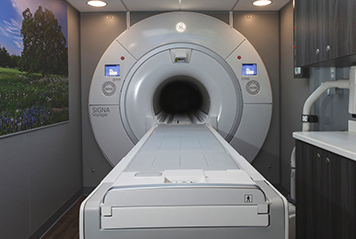
- Abnormalities of the brain and spinal cord
- Tumors, cysts, and other abnormalities in various parts of the body
- Injuries or abnormalities of the joints, such as back pain
- Certain types of heart problems
- Diseases of the liver and other abdominal organs
- Causes of pelvic pain in women (e.g. fibroids, endometriosis)
- Suspected uterine abnormalities in women undergoing evaluation for infertility
Ultrasound Prep Instructions
Our Radiology Department will contact you to schedule your appointment.
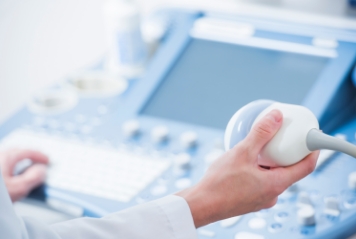
Ultrasound is an imaging method that uses high-frequency sound waves to produce images of structures within your body. The images can provide valuable information for diagnosing and treating a variety of diseases and conditions.
Eat a fat-free dinner the night before your exam, but do not eat or drink anything after midnight.
A small amount of clear liquid may be taken with oral medication if needed before your appointment.
Morning appointments are recommended.
Finish drinking 2 glasses (16 ounces total) of water one hour prior to your appointment time.
Do not empty your bladder prior to your exam.
Take a laxative at noon the day prior to your exam, if no results take another one at 6:00 p.m.
Have a light supper the night before your exam, but do not eat or drink after midnight prior to the exam.
Bladder must be full for this exam. Start drinking liquids 2 hours prior to appointment time.
Drink at least 5 full 8 ounce glasses during this time.
DO NOT EMPTY BLADDER
Bladder must be full enough in order to visualize the uterus and ovaries. Exam cannot be performed if bladder is not full.
Lower and/or upper extremities
No prep
Lower and/or upper extremities
No prep
Centralized Scheduling
Our Centralized Scheduling staff will complete the prior authorization paperwork and the Radiology Department will call you to schedule your appointment. If questions arise regarding your appointment, please call us at (620) 325-8314.
My son had speech therapy at WMC rehab and all the staff there was absolutely amazing and SO kind! I was shocked that my son received mail from them wishing him a good school year and that they will miss him. Shows how much they truly care!
- Lindsey Reyes
Wilson Medical Care Provides Local Healthcare Focused on You
Your Hometown Hospital with a Heart
We offer innovative medical services at convenient locations throughout Wilson & Montgomery Counties.

Wilson Medical Center
Our 15-bed critical access hospital is located at the junction of Highways 75 and 400 in Neodesha, Kansas.
Neodesha Family Medicine
Conveniently located in Wilson Medical Center, Neodesha Family Medicine provides a variety of general and specialty care services.
Cherryvale Family Medicine
Cherryvale Family Medicine offers a variety of medical services, including preventative care, wellness exams, and more.
Independence Family Medicine
Where compassion meets community, Independence Family Medicine provides a variety of medical services - with heart.
Wilson Medical Rehabilitation Center
Located next door to Get Fit 24/7, our rehab center provides physical, occupational, and speech therapies as well as athletic training services.
Get Fit 24/7 Wellness Center
Located in downtown Neodesha, our state-of-the-art fitness facility is open 24/7365 to its members and houses a variety of cardiovascular and strength training equipment.